Houston C-Store Portfolio 001 is most likely to fit a Houston-area operator, jobber, or sponsor seeking dense-market expansion with a manageable first portfolio. That buyer profile should shape the NDA package, lender conversations, and first-round questions.
For Sale
Houston MSA
Houston C-Store Portfolio 001
Five-store Houston MSA C-store portfolio with property and operations, 19 MPDs, and an in-place jobber fuel contract.
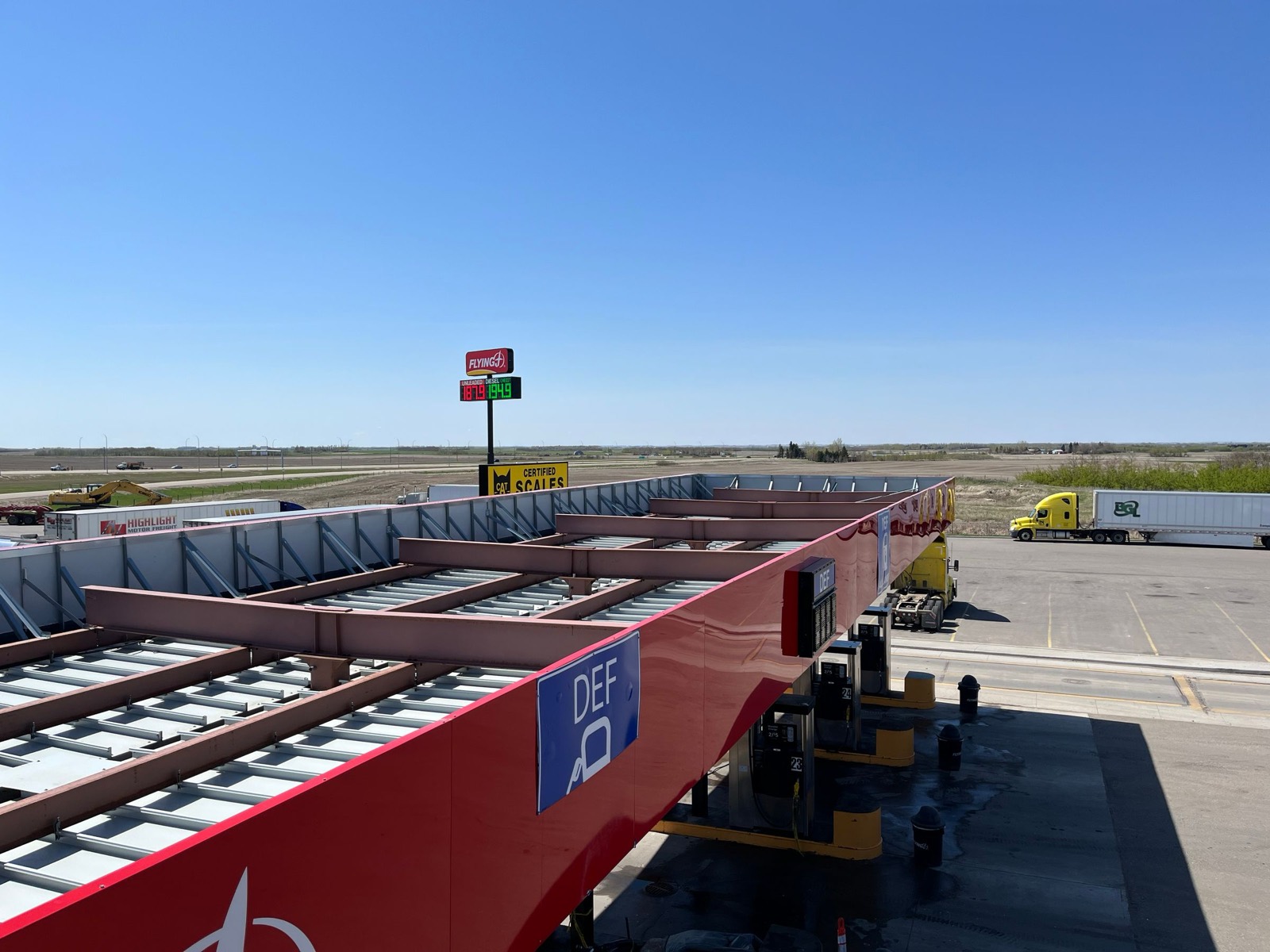
Deal overview
Five-store Houston MSA C-store portfolio with property and operations, 19 MPDs, and an in-place jobber fuel contract. This is a property and operations sale with an in-place jobber fuel supply contract. Detailed financials, fuel volume by site, lease and environmental status, and a full offering memorandum are available to qualified buyers under NDA.
What is included
- 5 operating stores with 19 multi-product dispensers
- Real estate and business operations
- In-place jobber fuel supply contract
- Trailing financials and fuel volume detail (under NDA)
Deal-specific underwriting
How to read Houston C-Store Portfolio 001.
This listing is positioned around five Houston MSA C-store locations with metro fuel demand. The public metrics are Asking Price: $16M; EBITDA: $1.5M; Properties: 5; MPDs: 19; Implied Yield: 9.4%; Location: Houston MSA, but qualified buyers should underwrite the package site by site before comparing it with generic C-store listings.
- traffic counts and fuel gallons by store
- real estate ownership, lease status, and property-tax exposure
- jobber agreement economics and any branding or image upgrade requirements
Houston MSA assets should be compared by corridor. A freeway-oriented site, an industrial-neighborhood store, and a suburban corner can all live in one portfolio but deserve different cap-rate and EBITDA assumptions.
Requesting the package should produce more than a brochure. Ask for the financials, tank and environmental documentation, supplier terms, real-estate status, and any carve-outs so the opportunity can be compared against all listings, Texas markets, and valuation scenarios.
Portfolio memo
Questions that make this deal distinct.
These notes are intentionally specific to this opportunity, because portfolio pages should not read like interchangeable teasers. The goal is to help qualified buyers ask better questions before they request the confidential package.
A five-store Houston C-store portfolio needs corridor-level analysis. Industrial southeast Houston, northwest commuter suburbs, inner-loop infill, and port-oriented routes can all look like Houston on paper while carrying very different margin, labor, and theft profiles.
For this C-store-focused package, buyers should request category-level sales reports for tobacco, beer, grocery, prepared food, lottery, and other inside revenue. The store contribution can matter more than fuel margin when underwriting durable EBITDA.
Houston-area ownership requires a clear read on assessed values, flood exposure, wind coverage, drainage, and business-interruption assumptions. Those items can move cash flow even when the top-line sales look strong.
The best first call is usually a qualified Houston operator, a regional jobber, or a private buyer already comfortable with metro staffing and supplier relationships. That buyer can underwrite the locations faster than an out-of-state passive investor.
C-Store Trader uses this memo to separate true buyer intent from casual browsing. If these questions match your acquisition criteria, request the package and include your target geography, capital stack, operating experience, and timing.
Acquisition scenario
How a serious buyer should think about this package.
Houston C-Store Portfolio 001 is a metro convenience-store story first and a fuel story second. A buyer should study each site for inside-sales durability: tobacco, beer, packaged beverages, grocery, lottery, prepared food, ATM, and other categories that can carry margin even when fuel pricing gets competitive.
The Houston MSA is not one market. Industrial corridors, port-adjacent routes, high-income suburbs, workforce neighborhoods, and freeway exits each create different risk. A buyer should ask for site addresses under NDA and tag each location by customer type before applying a single portfolio multiple.
Labor and loss control deserve an early look. Five metro stores can produce attractive EBITDA, but only if management has shrink, scheduling, cash handling, and inventory controls in place. If the financials are seller-prepared, bank statements, POS reports, fuel invoices, payroll summaries, and vendor statements should reconcile cleanly.
The right investor may see a first platform in Houston rather than a one-time acquisition. That means the post-closing plan matters: who supervises stores, which systems are retained, whether branding changes, how buying power improves, and whether the real estate can support car wash, quick-serve food, or leaseback strategies later.
More deals
Other stations for sale

C-store operator lens
Houston C-Store Portfolio 001 through the C-store operations lens.
This page is evaluated through the convenience-store business first: inside sales, category margins, inventory turns, staffing, customer repeat behavior, lease control, and how the store creates profit beyond the fuel canopy. For listing pages, do not stop at price, EBITDA, and MPDs. The buyer should ask how much of the profit is coming from the store, what categories are growing, and what management systems transfer.
Convenience pricing, promotional discipline, and local basket size can matter as much as fuel price when the store is the real profit center.
The handoff needs clean manager coverage, supplier account transfer, licenses, lottery setup, inventory count, and employee retention planning.
Prepared food, coffee, fountain, grab-and-go, and quick-serve opportunities can create a second growth story if equipment, staffing, and local demand support it.
Inventory turns, cash handling, lottery controls, tobacco counts, and employee shrink policies can change EBITDA more than a headline traffic count.
For C-store deals, the highest-value diligence usually lives in the POS reports, category sales, shrink controls, vendor terms, beer and tobacco mix, prepared-food potential, lottery contribution, and local customer pattern. This listing page is intentionally written for owners, operators, and buyers who care about the in-store profit engine, so it should be evaluated on the specific commercial questions it answers, not only on broad national search terms.
Decision checklist
What makes Houston C-Store Portfolio 001 a real diligence page.
This listing page is strongest when it helps a visitor decide what to do with a real convenience-store asset. The checklist below keeps the page tied to C-store economics: POS reports, category margin, inventory control, licenses, staffing, lease control, and local customer behavior.
Ask for evidence. Convenience pricing, promotional discipline, and local basket size can matter as much as fuel price when the store is the real profit center. For Houston C-Store Portfolio 001, do not treat this as generic background; make it part of the buyer, seller, lender, or investor checklist.
Ask for evidence. The handoff needs clean manager coverage, supplier account transfer, licenses, lottery setup, inventory count, and employee retention planning. For Houston C-Store Portfolio 001, do not treat this as generic background; make it part of the buyer, seller, lender, or investor checklist.
Ask for evidence. A C-store with real estate, options, rent control, and expansion room underwrites differently from a business-only deal on a short lease. For Houston C-Store Portfolio 001, do not treat this as generic background; make it part of the buyer, seller, lender, or investor checklist.
Ask for evidence. Store-level labor should be tested by daypart, not averaged. Overnight staffing, manager coverage, weekend peaks, and absentee ownership all change true cash flow. For Houston C-Store Portfolio 001, do not treat this as generic background; make it part of the buyer, seller, lender, or investor checklist.
Ask for evidence. A strong C-store has repeat local behavior. Loyalty, nearby housing, schools, employers, and commuter routes should be mapped against sales by category. For Houston C-Store Portfolio 001, do not treat this as generic background; make it part of the buyer, seller, lender, or investor checklist.
For C-Store Trader, the indexed value of the page should come from how well it answers the store-operator question: what would a serious owner, buyer, or broker verify before committing capital?
Transaction memo layer
How to underwrite Houston C-Store Portfolio 001 before raising a hand.
Portfolio pages need store-by-store normalization. Category mix, payroll coverage, manager depth, lease control, inventory practices, and local customer repeat behavior can vary widely inside one package.
Ask for POS category reports by month, not only annual revenue. Tobacco, beer, packaged drinks, lottery, grocery, prepared food, and ATM income each carry different margins and buyer value. For Houston C-Store Portfolio 001, this should be requested before a buyer treats the opportunity as financeable.
The store can be a larger profit driver than fuel. A buyer should separate high-margin convenience categories from pass-through or low-margin volume before applying a multiple. For Houston C-Store Portfolio 001, this should be requested before a buyer treats the opportunity as financeable.
Inventory turns, cash handling, lottery controls, tobacco counts, and employee shrink policies can change EBITDA more than a headline traffic count. For Houston C-Store Portfolio 001, this should be requested before a buyer treats the opportunity as financeable.
Prepared food, coffee, fountain, grab-and-go, and quick-serve opportunities can create a second growth story if equipment, staffing, and local demand support it. For Houston C-Store Portfolio 001, this should be requested before a buyer treats the opportunity as financeable.
Store-level labor should be tested by daypart, not averaged. Overnight staffing, manager coverage, weekend peaks, and absentee ownership all change true cash flow. For Houston C-Store Portfolio 001, this should be requested before a buyer treats the opportunity as financeable.
A C-store with real estate, options, rent control, and expansion room underwrites differently from a business-only deal on a short lease. For Houston C-Store Portfolio 001, this should be requested before a buyer treats the opportunity as financeable.
Lead qualification
What a serious Houston C-Store Portfolio 001 inquiry should include.
C-Store Trader should turn Houston C-Store Portfolio 001 traffic into C-store leads with enough detail to underwrite the store, not just a name and phone number. A useful inquiry explains the asset, the operating proof, and the decision timeline.
Share whether this is a single store, portfolio, brand page, market search, guide question, or tool output. Include real estate versus leasehold, store size, inside sales, fuel relationship, licenses, and whether inventory is included.
The strongest C-store lead can provide POS category reports, gross margin, payroll, rent, bank deposits, vendor terms, inventory practices, and notes on manager coverage or owner involvement.
Clarify whether the goal is to buy, sell, value, refinance, or prepare for a 1031 or sale-leaseback. Include price range, financing capacity, timing, geography, and whether confidentiality is required.
For this listing page, a high-quality lead is one where the store economics, transferability, and next action are clear enough for a broker or principal to respond intelligently.
Institutional guidance
Before you act on Houston C-Store Portfolio 001 for Sale, talk with a sector broker.
C-Store Trader is built to turn opportunity interest into a real next step: valuation, buyer match, lending path, diligence package, or confidential sale strategy. Eagle Nest Property Group works across owners, operators, 1031 buyers, and private capital in convenience retail.
Confidential valuation
Qualified buyer routing
Deal and diligence support