 For Sale
6 Stores
For Sale
6 Stores
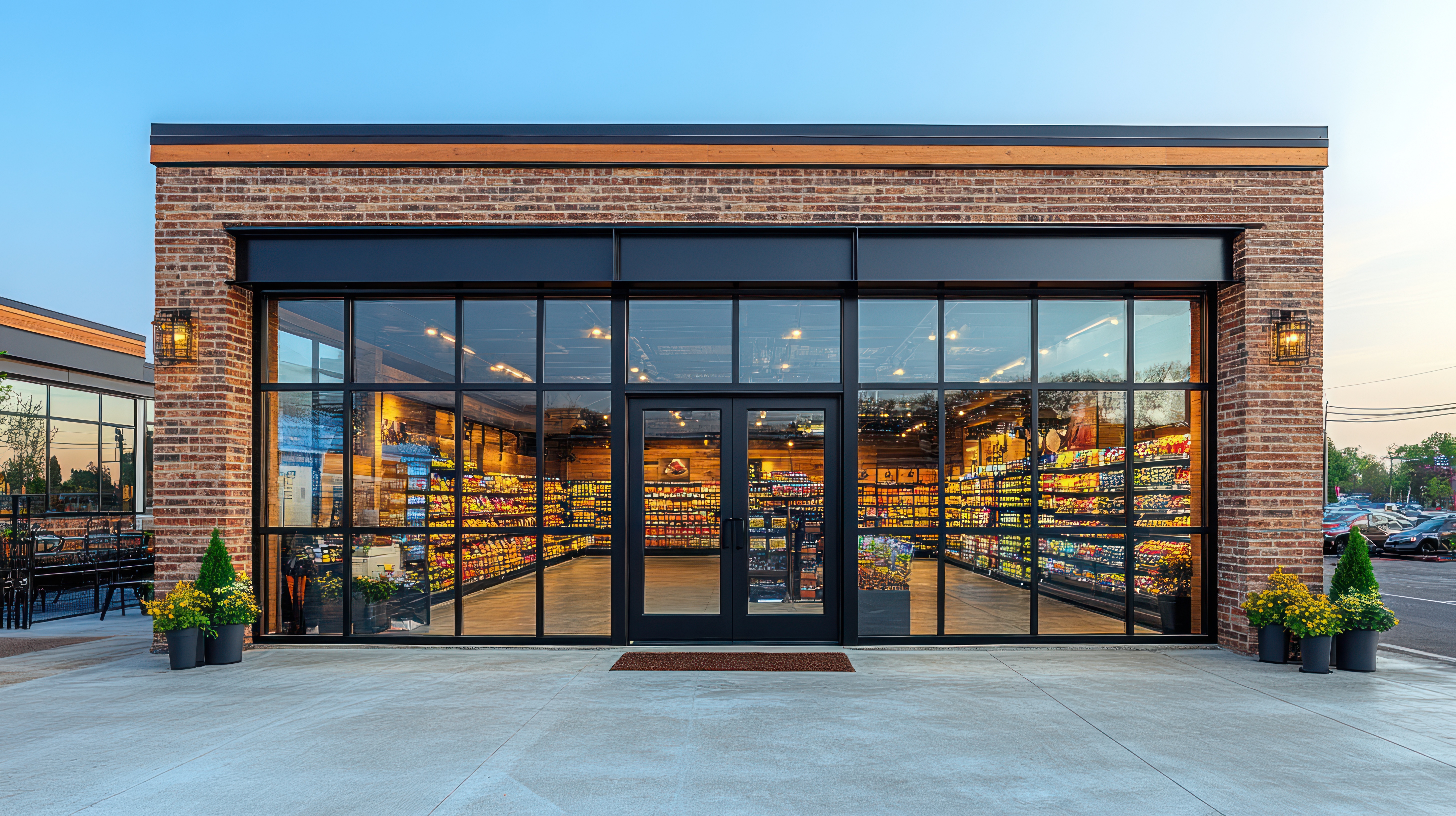
Buy a station
Buy a C-store with specialists on your side.
Browse vetted stations and portfolios, get matched to off-market deals, and avoid the environmental and financing pitfalls that sink first-time buyers.
Active deals
View all Stations & portfolios for sale
Why buy with us
The deals you want are not on the open market.
The best stations sell quietly, broker to broker, before they ever hit a public marketplace. We see that flow. We also keep you out of trouble on the things that wreck a first deal.
Off-market access
Many of our best deals never get publicly listed. Tell us your criteria and we match you before the crowd.
Real numbers, vetted
We help you read fuel volume, inside sales margins, and seller add-backs so you are not buying a story.
Environmental cover
USTs and contamination history can be a landmine. We help you scope Phase I and Phase II before you are committed.
Financing that fits
SBA, conventional, and private. We connect you to lenders who actually fund fuel and C-store deals.
Representation
We represent your offer and your interests through diligence and closing, not the seller's.
Speed when it counts
Good deals move fast. We help you analyze and act before someone else does.
Deal alerts
See new deals before they go public.
Tell us what you are hunting for. We will send matching stations and portfolios the moment they come available, including off-market opportunities.
FAQ
Buying a C-store: common questions
Asking prices range widely. The national median asking price is around $450K, with most quality deals between roughly $225K and $2.75M, and NNN investment-grade properties running $1M to $10M and up. See how much a C-store costs.
Rarely with zero down, but SBA 7(a) financing for a special-purpose property like a C-store typically requires only a 10% to 15% equity injection, far less than conventional. Read buying with little money down.
It can be. Inside C-store sales drive most of the profit (often about 70% of profit from roughly 30% of revenue), while fuel is the traffic driver. See is owning a C-store profitable.
Fuel volume and trend, inside sales and margins, the fuel supply or jobber contract, the lease or real estate, deferred maintenance, and above all the environmental and UST status. We walk you through all of it.
C-store operator lens
Buy a C-store with specialists on your side through the C-store operations lens.
This page is evaluated through the convenience-store business first: inside sales, category margins, inventory turns, staffing, customer repeat behavior, lease control, and how the store creates profit beyond the fuel canopy. Read this guide as an operator playbook: what data should a store owner collect, what should a buyer verify, and how does the answer change store-level cash flow?
Convenience pricing, promotional discipline, and local basket size can matter as much as fuel price when the store is the real profit center.
The handoff needs clean manager coverage, supplier account transfer, licenses, lottery setup, inventory count, and employee retention planning.
The store can be a larger profit driver than fuel. A buyer should separate high-margin convenience categories from pass-through or low-margin volume before applying a multiple.
Ask for POS category reports by month, not only annual revenue. Tobacco, beer, packaged drinks, lottery, grocery, prepared food, and ATM income each carry different margins and buyer value.
For C-store deals, the highest-value diligence usually lives in the POS reports, category sales, shrink controls, vendor terms, beer and tobacco mix, prepared-food potential, lottery contribution, and local customer pattern. This service hub is intentionally written for owners, operators, and buyers who care about the in-store profit engine, so it should be evaluated on the specific commercial questions it answers, not only on broad national search terms.
Decision checklist
What makes Buy a C-store with specialists on your side a real diligence page.
This service hub is strongest when it helps a visitor decide what to do with a real convenience-store asset. The checklist below keeps the page tied to C-store economics: POS reports, category margin, inventory control, licenses, staffing, lease control, and local customer behavior.
Ask for evidence. Convenience pricing, promotional discipline, and local basket size can matter as much as fuel price when the store is the real profit center. For Buy a C-store with specialists on your side, do not treat this as generic background; make it part of the buyer, seller, lender, or investor checklist.
Ask for evidence. The handoff needs clean manager coverage, supplier account transfer, licenses, lottery setup, inventory count, and employee retention planning. For Buy a C-store with specialists on your side, do not treat this as generic background; make it part of the buyer, seller, lender, or investor checklist.
Ask for evidence. A strong C-store has repeat local behavior. Loyalty, nearby housing, schools, employers, and commuter routes should be mapped against sales by category. For Buy a C-store with specialists on your side, do not treat this as generic background; make it part of the buyer, seller, lender, or investor checklist.
Ask for evidence. Buyers should review beverage, tobacco, grocery, ATM, lottery, and distributor terms because vendor economics can create hidden value or hidden dependency. For Buy a C-store with specialists on your side, do not treat this as generic background; make it part of the buyer, seller, lender, or investor checklist.
Ask for evidence. A C-store with real estate, options, rent control, and expansion room underwrites differently from a business-only deal on a short lease. For Buy a C-store with specialists on your side, do not treat this as generic background; make it part of the buyer, seller, lender, or investor checklist.
For C-Store Trader, the indexed value of the page should come from how well it answers the store-operator question: what would a serious owner, buyer, or broker verify before committing capital?
C-Store Trader hub intent
What this hub helps a serious visitor decide.
Buy a C-store with specialists on your side should route visitors around convenience-store economics: inside sales, category margin, store labor, inventory, lease control, licenses, vendor terms, and buyer readiness. The hub is useful when it helps a person choose the next page or raise their hand with a real C-store goal. The primary intent here is buyer routing, acquisition criteria, evidence requests, and deal-fit screening.
Convenience pricing, promotional discipline, and local basket size can matter as much as fuel price when the store is the real profit center.
The handoff needs clean manager coverage, supplier account transfer, licenses, lottery setup, inventory count, and employee retention planning.
A C-store with real estate, options, rent control, and expansion room underwrites differently from a business-only deal on a short lease.
Store-level labor should be tested by daypart, not averaged. Overnight staffing, manager coverage, weekend peaks, and absentee ownership all change true cash flow.
Lead qualification
What a serious Buy a C-store with specialists on your side inquiry should include.
C-Store Trader should turn Buy a C-store with specialists on your side traffic into C-store leads with enough detail to underwrite the store, not just a name and phone number. A useful inquiry explains the asset, the operating proof, and the decision timeline.
Share whether this is a single store, portfolio, brand page, market search, guide question, or tool output. Include real estate versus leasehold, store size, inside sales, fuel relationship, licenses, and whether inventory is included.
The strongest C-store lead can provide POS category reports, gross margin, payroll, rent, bank deposits, vendor terms, inventory practices, and notes on manager coverage or owner involvement.
Clarify whether the goal is to buy, sell, value, refinance, or prepare for a 1031 or sale-leaseback. Include price range, financing capacity, timing, geography, and whether confidentiality is required.
For this service hub, a high-quality lead is one where the store economics, transferability, and next action are clear enough for a broker or principal to respond intelligently.
Institutional guidance
Before you act on Buy a C-Store, talk with a sector broker.
C-Store Trader is built to turn buyer mandate interest into a real next step: valuation, buyer match, lending path, diligence package, or confidential sale strategy. Eagle Nest Property Group works across owners, operators, 1031 buyers, and private capital in convenience retail.
Confidential valuation
Qualified buyer routing
Deal and diligence support